


Shelling on Kiawah Island is not a competitive sport. It is a slow, attentive ritual, best done barefoot, with a small bucket in one hand and coffee cooling in the other. Because the island’s beach profile is unusually wide and gently sloped, a productive walk is possible almost every day of the year, provided you know where to stand and when to arrive.
This guide is for our guests at Kiawah Island Luxury Rentals and the neighbors who share these beaches. Inside you will find the best access points, a plain-English tide and timing playbook, a field guide to what you are likely to encounter, the rules for what you may take home, and a short kit list.
The Best Shelling Beaches and Access Points on Kiawah Island
Kiawah is fringed by a single, continuous ten-mile beach, but not every stretch performs equally when it comes to shelling. The western end is universally considered the most productive, thanks to the way ocean currents converge with the outflow of the Kiawah River at Captain Sams Inlet, sorting and depositing shells along the flats. Central and eastern stretches still reward patient walkers, especially after storms. Below are the specific spots we recommend, ordered roughly from west to east.
Kiawah Beachwalker Park
Beachwalker Park is the only fully public beach access on Kiawah Island, managed by Charleston County Parks, and it is consistently ranked among the best shelling beaches in the state. A short boardwalk leads you onto a wide, packed-sand shelf that at low tide extends far into the intertidal zone, giving you room to walk for hours without repeating your tracks. From the park it is a scenic 20 to 30 minute walk west toward Captain Sams Inlet, which is exactly the walk you want to be taking if shells are your goal.
- Rating: 4.7 stars (1,651 Google reviews)
- Address: 8 Beachwalker Dr, Kiawah Island, SC 29455
- Phone: (843) 762-9964
- What you’ll find: Whelks, scallops (the classic double fan shapes), sand dollars, coquinas, and lettered olives are all commonly reported here. County Park signage asks visitors not to take any live shells.
- Insider tip: Arrive at least one hour before low tide, walk west toward the inlet, and keep your eyes on the wet swash line rather than the dry sand.
View Kiawah Beachwalker Park on Google Maps
Captain Sams Inlet
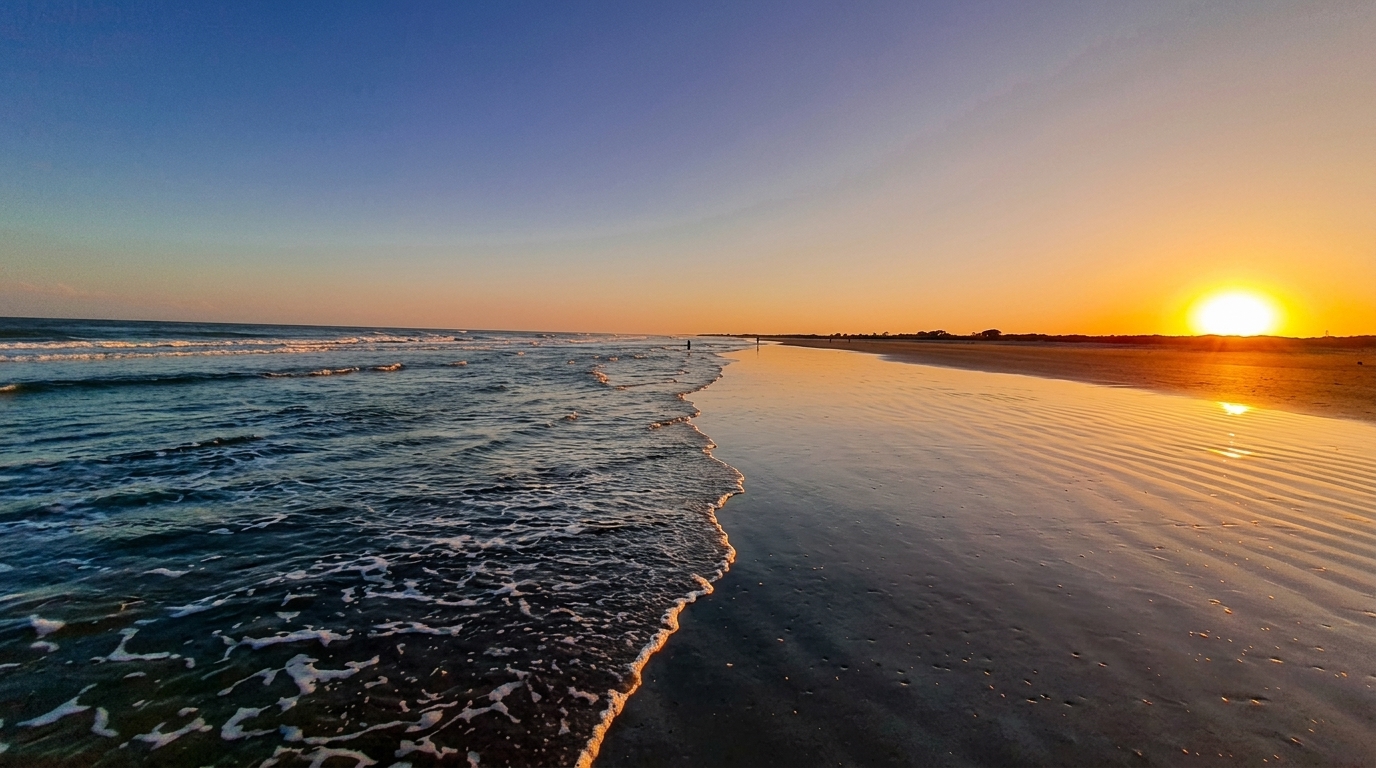
Captain Sams Inlet is the narrow tidal cut at the western tip of Kiawah, where the Kiawah River meets the Atlantic. This is the single most productive shelling zone on the island. Currents from two directions collide here, and every tide cycle sorts and re-sorts a fresh assortment of shells across the sandbars and flats. Because the inlet is walkable only at low tide, timing your visit around a strong outgoing or negative low tide is essential.
- Rating: 4.9 stars (21 Google reviews)
- Location: Western tip of Kiawah Island, reachable on foot from Beachwalker Park
- What you’ll find: The broadest variety on the island, including horse conchs, pen shells, angel wings, and unbroken whelks. Shark teeth also wash up here more frequently than elsewhere on Kiawah.
- Important: Do not wade or swim at the inlet itself. Currents are strong and unpredictable, and swimming is expressly prohibited under Town of Kiawah beach regulations.
View Captain Sams Inlet on Google Maps
Boardwalk Access Points Along the Central Oceanfront
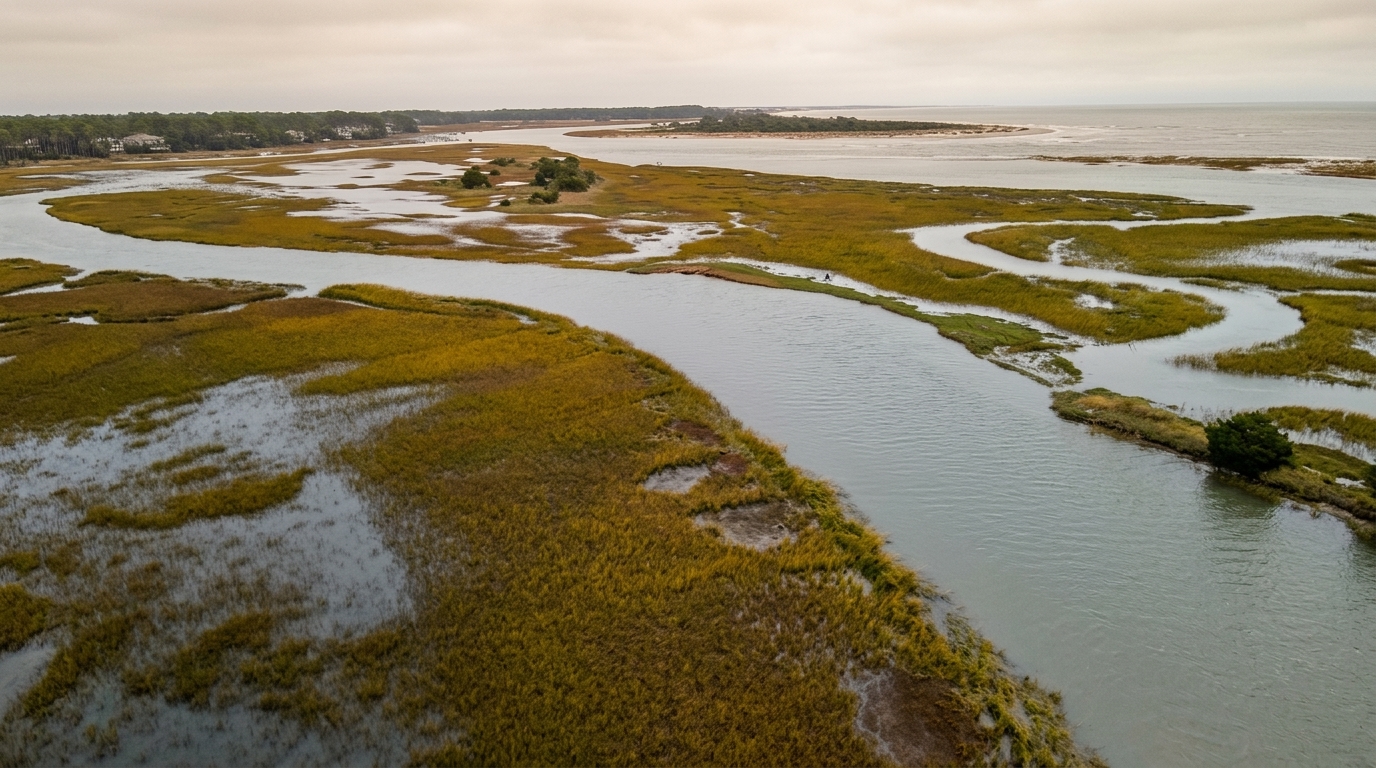
Kiawah’s central beaches, accessible only to homeowners and their guests through numbered boardwalks (Boardwalk 1 through Boardwalk 47), see less foot traffic than Beachwalker Park and are excellent for a shorter, quieter shelling walk before breakfast. The same wide, flat shelf of hard sand runs the length of the island, so any boardwalk on a falling tide will put you in shelling range.
- Access: Numbered boardwalks along the interior of Kiawah Island (guest access required)
- What you’ll find: Scallops, cockles, jingle shells, and the occasional larger whelk. Because these stretches are less picked over than the public park, patient walkers often turn up better-preserved specimens.
- Insider tip: Start at the boardwalk closest to your rental and simply walk in the direction the wind was blowing overnight. Onshore winds pile shells up on that side of the island.

Night Heron Park Beach Access
Night Heron Park is one of the central hubs of Kiawah Island life, and its beach walkover puts you onto a stretch of oceanfront that is convenient, well-maintained, and often quieter than Beachwalker Park during summer weekends. It is a favorite starting point for families with children, since the walk from the park to the shell-rich swash line is short and shaded on the return.
- Rating: 4.7 stars (315 Google reviews)
- Address: Kiawah Island Pkwy, Kiawah Island, SC 29455
- What you’ll find: Scallops, jingle shells, coquinas, and a steady stream of smaller sand dollars in the shallows just after low tide.
- Insider tip: Combine a shelling walk with breakfast at the park or a bike ride along the connecting trails.
View Night Heron Park on Google Maps
%209.57.53%E2%80%AFa.m..png)
A Field Guide to Kiawah’s Shells
Half the pleasure of shelling on Kiawah is knowing what you are holding. Here is a quick primer on the shells you are most likely to encounter, roughly organized by the two families that dominate the local wrack line.
Univalves (the spiral, snail-shaped shells)
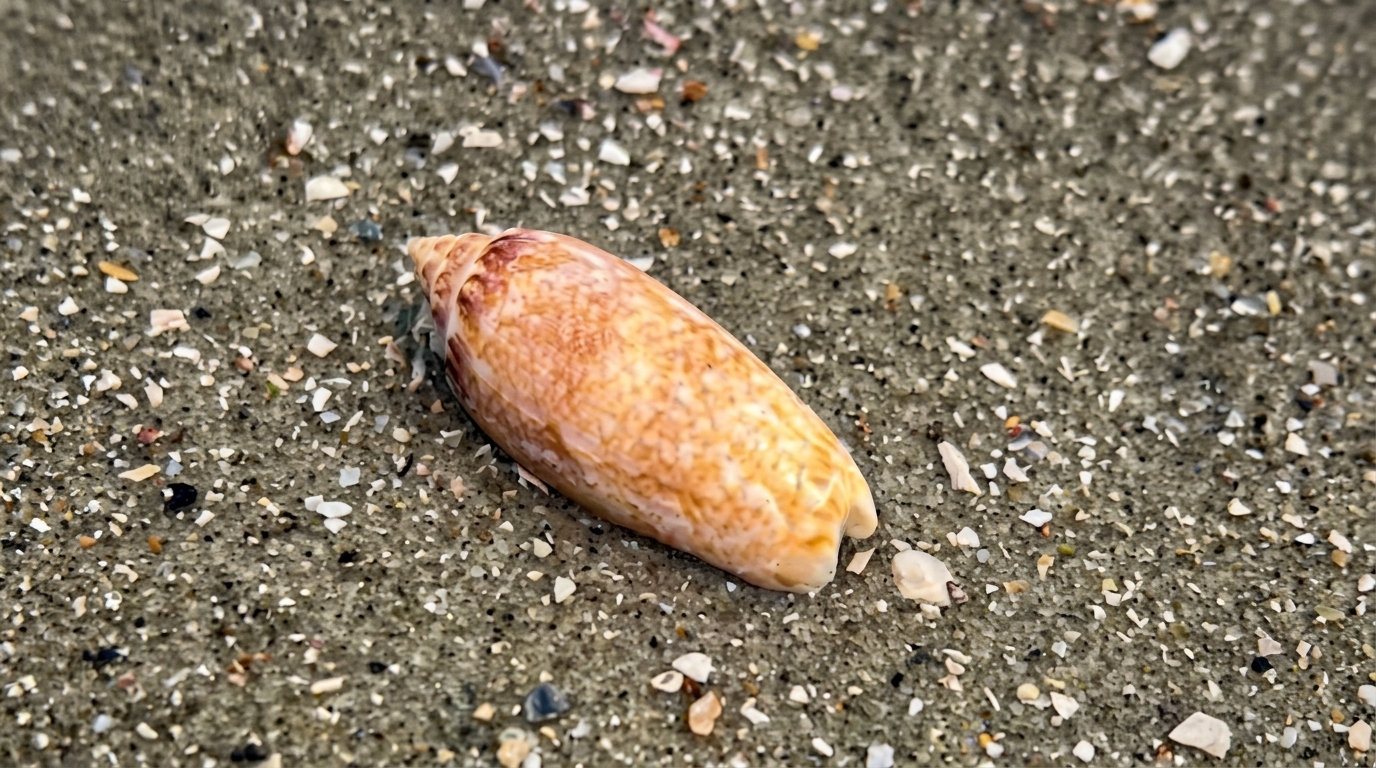
- Lettered olive: South Carolina’s official state seashell. Smooth, elongated, glossy, and marked with brown “letter-like” scribbles. Roughly two to three inches long. Beachwalker Park and Captain Sams Inlet are your best odds.
- Whelks: Kiawah’s signature large shell. Look for knobbed whelks (with a row of blunt spines around the shoulder) and channeled whelks (smooth, with a spiral groove). Unbroken specimens can be four to seven inches long.
- Horse conch: Larger and rarer than whelks, occasionally reaching more than eight inches. Best found at the inlet after storms.
- Banded tulip shell: Elegant, spindle-shaped, with dark spiral bands over a cream base. A prized find.
Bivalves (the paired, hinged shells)
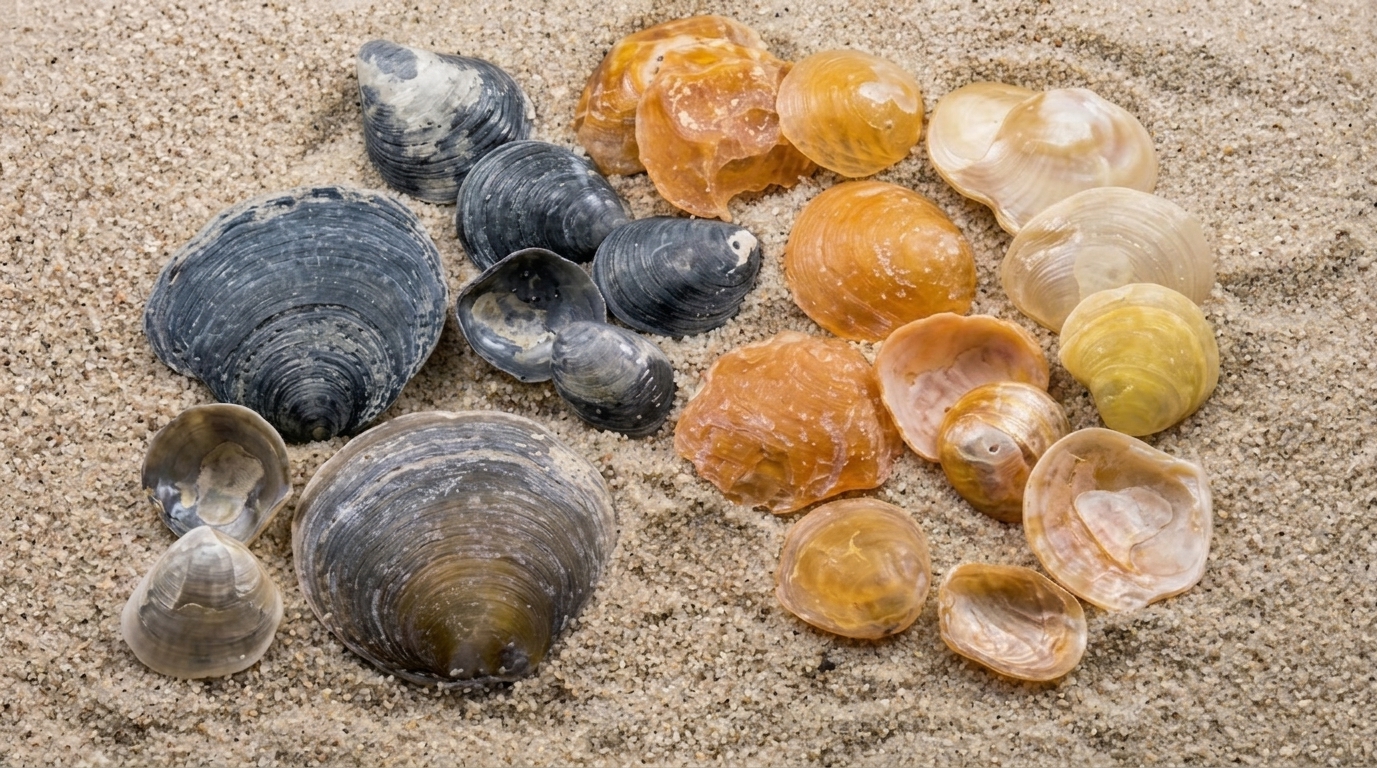
- Scallops: The classic double fan shape, often in warm pink, orange, or tan. Extremely common along the entire island.
- Coquinas: Tiny, colorful clams found by the hundreds at the waterline. Often still paired and open like butterfly wings.
- Jingle shells: Thin, translucent, and iridescent (yellow, orange, silver). Named for the sound they make on a windowsill.
- Angel wings: Delicate, elongated white shells with ridged “wing” patterns. Fragile, and often broken, but a whole one is a real prize.
- Pen shells: Large, dark, wedge-shaped bivalves. Whole ones are impressive; fragments are common.
- Cockles and lima clams: Rounded, ridged shells in tan and cream tones.
Beyond Shells: The Other Beach Finds
- Sand dollars: Kiawah is one of the more reliable places in South Carolina to find them. See the dedicated section below.
- Sea urchin tests: The delicate skeletons of dead sea urchins, sometimes intact after calm nights.
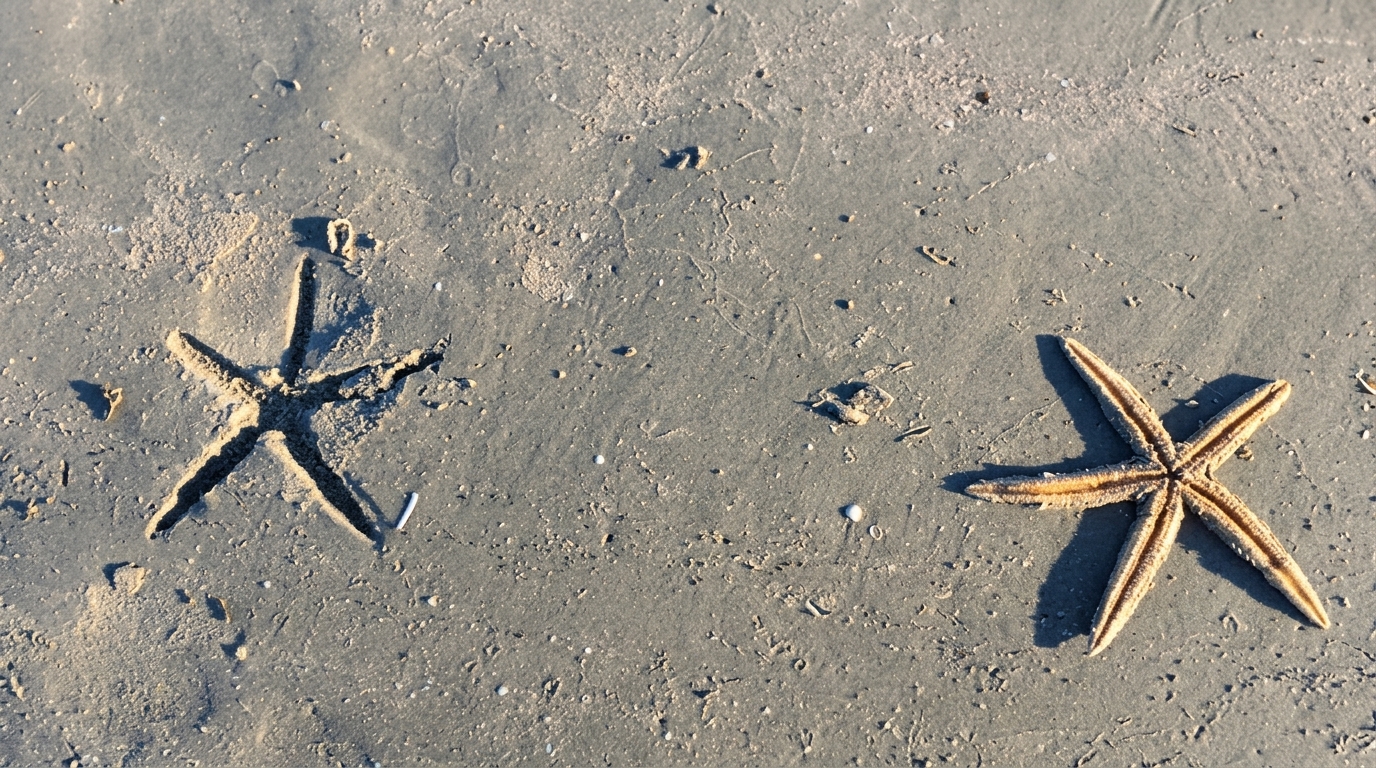
- Starfish: Occasionally washed up, especially after storms. Live starfish must be left in place.
- Shark teeth: Small, dark, triangular, and worn smooth. More common at the western inlet than elsewhere.
- Sea glass: Occasional pieces in green, brown, and (rarely) blue.
When to Go: Timing Your Kiawah Shelling Walk
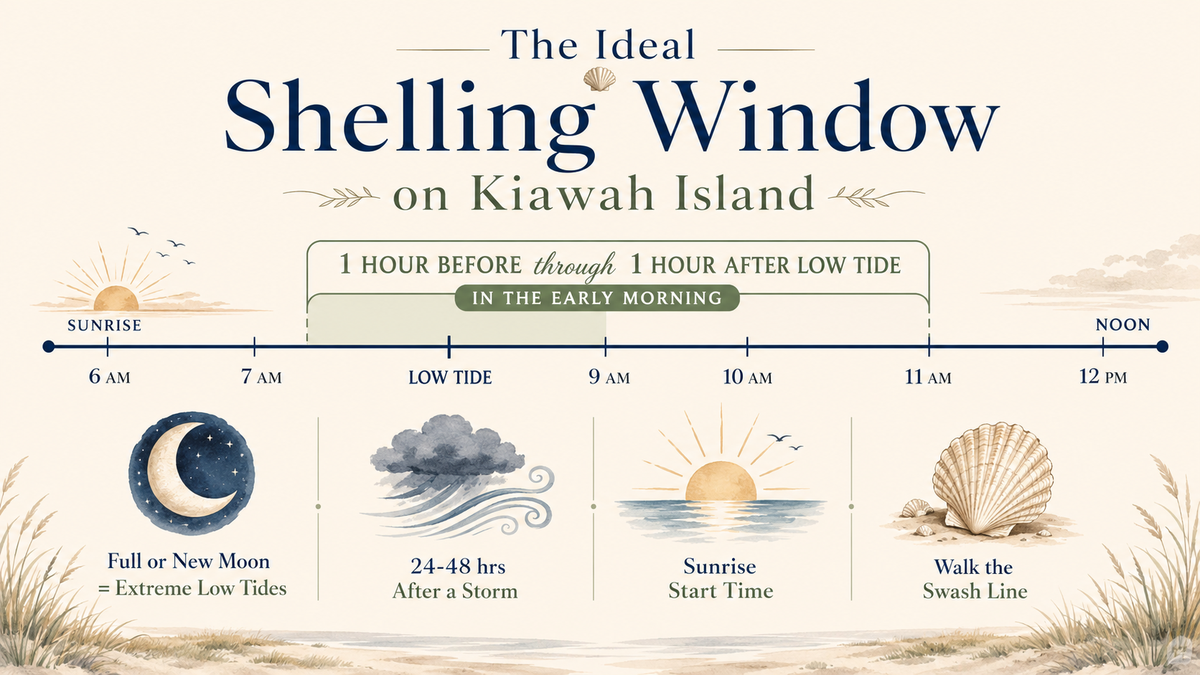
Shelling on Kiawah is almost entirely a game of timing. Nail the tide and the time of day, and the beach practically hands you your finds. Miss the window and you will spend an hour walking past sand that would have been a treasure trove three hours earlier.
The Ideal Window
- Aim for one hour before through one hour after low tide. This is the single most important variable. A falling or fully low tide exposes the wide intertidal shelf where shells settle out of the water column.
- Prefer early morning. Sunrise to mid-morning is the highest-odds window, before the beach fills with footprints and before the wrack line gets picked over. On summer days, being on the sand by 7 a.m. also means avoiding the heat.
- If low tide falls at sunset, take it. Evening low tides are your second-best option and produce beautiful light for shell photography.
The Seasonal Picture
Kiawah is a year-round shelling destination, but the odds shift with the calendar.
- November through April (best odds): Cooler weather brings more frequent storms and stronger onshore winds, both of which churn the seabed and deposit fresh shells overnight. The beach is also far less picked over during shoulder seasons.
- May through October (still excellent, more discipline required): Summer produces plenty of shells, but the beach sees far more foot traffic. Show up early, before the crowds, and you will still have your pick.
The Moon and Storm Multipliers
- Full and new moons produce the strongest tides. Check a lunar calendar and target the two or three days on either side of a full or new moon for exceptional low tides.
- Chase storms. The 24 to 48 hours after a passing front, especially one with sustained onshore winds, is when Kiawah’s beach produces its biggest and most intact specimens. If you see a storm forecast for your stay, plan your shelling walk for the morning after it clears.
Tools, Gear, and Technique
The right kit for a Kiawah shelling walk fits in a small tote bag. Here is exactly what to bring and how to use it.
The Essential Kit
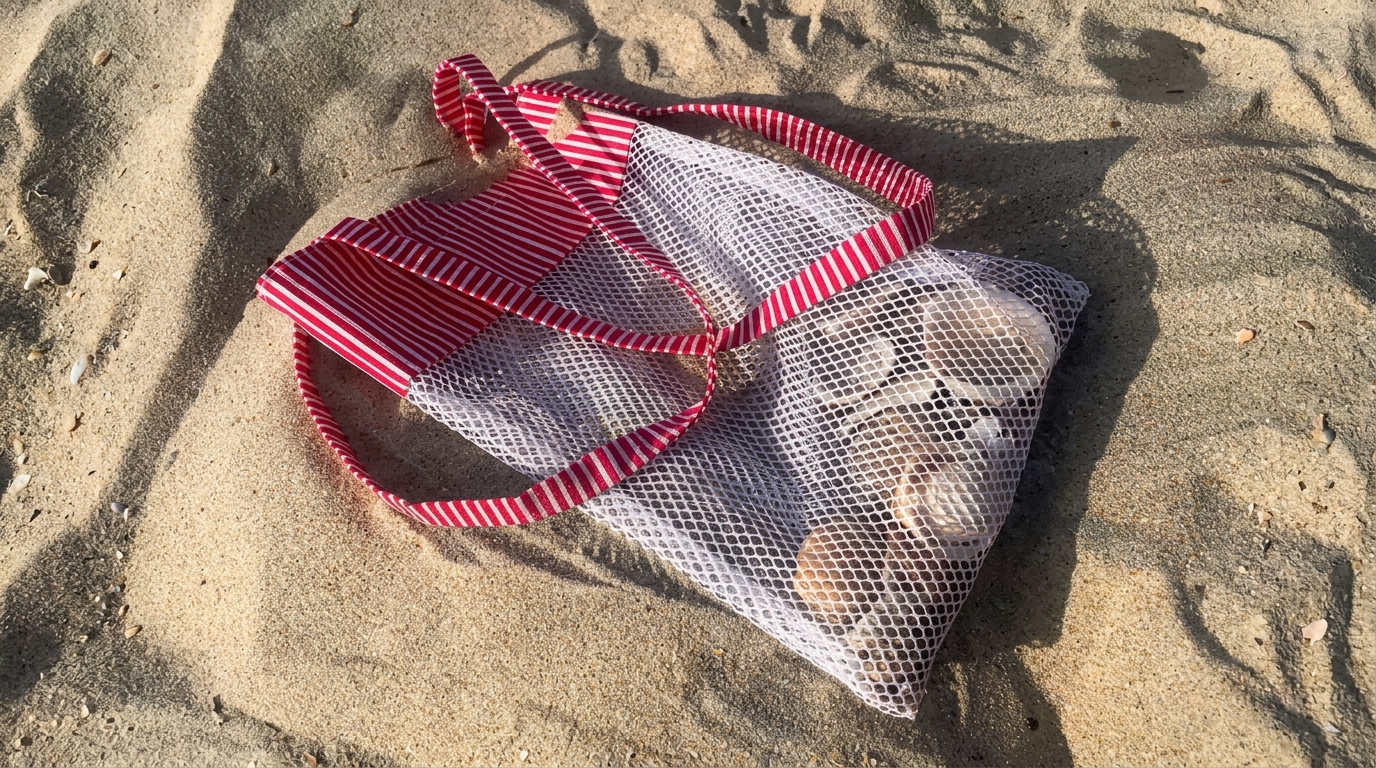
- A mesh bag or small bucket: Mesh drains sand and saltwater as you walk. A soft-sided bucket is easier on more delicate finds.
- A small plastic scoop or trowel: Metal shovels are not permitted on Kiawah’s beach. A plastic sand scoop is perfect for gently unearthing a half-buried find without breaking it.
- A tide chart or app: Look up Kiawah Island tide predictions for the exact day and time of your walk. NOAA’s tide tables and any coastal-fishing app will work.
- A headlamp or small flashlight: Only needed if you are chasing a pre-dawn negative low tide, which serious shellers occasionally do.
- Sun protection, water, and closed-toe water shoes: The intertidal zone can have oyster edges and sharp shell fragments.
The Right Technique
- Walk slowly and scan repeatedly. Most first-time shellers move too fast. The best finds are half-buried and require a second look.
- Work three zones on each pass. First, the wrack line (the band of seaweed and debris marking the last high tide) for pockets and clusters. Second, the wet swash where each retreating wave reveals fresh material. Third, the shallows, where you can shuffle your feet to feel for buried shells and sand dollars.
- Look for what is sticking up, not what is lying flat. A partial rim or a curved edge protruding from the sand is often the top of a whole, intact shell.
- Check the seaweed clumps. Small shells and coquinas often collect inside them.
The Sand Dollar Playbook
Sand dollars deserve their own section because Kiawah is genuinely one of the better places on the East Coast to find them, and because the etiquette around them is stricter than for other shells.
How to Find Them
- Go at low tide, ideally in the early morning after a storm the previous night. That combination is the “trifecta” locals talk about.
- Start at the high-tide line and work down toward the water. Sand dollars often bury themselves just below the surface as the tide retreats.
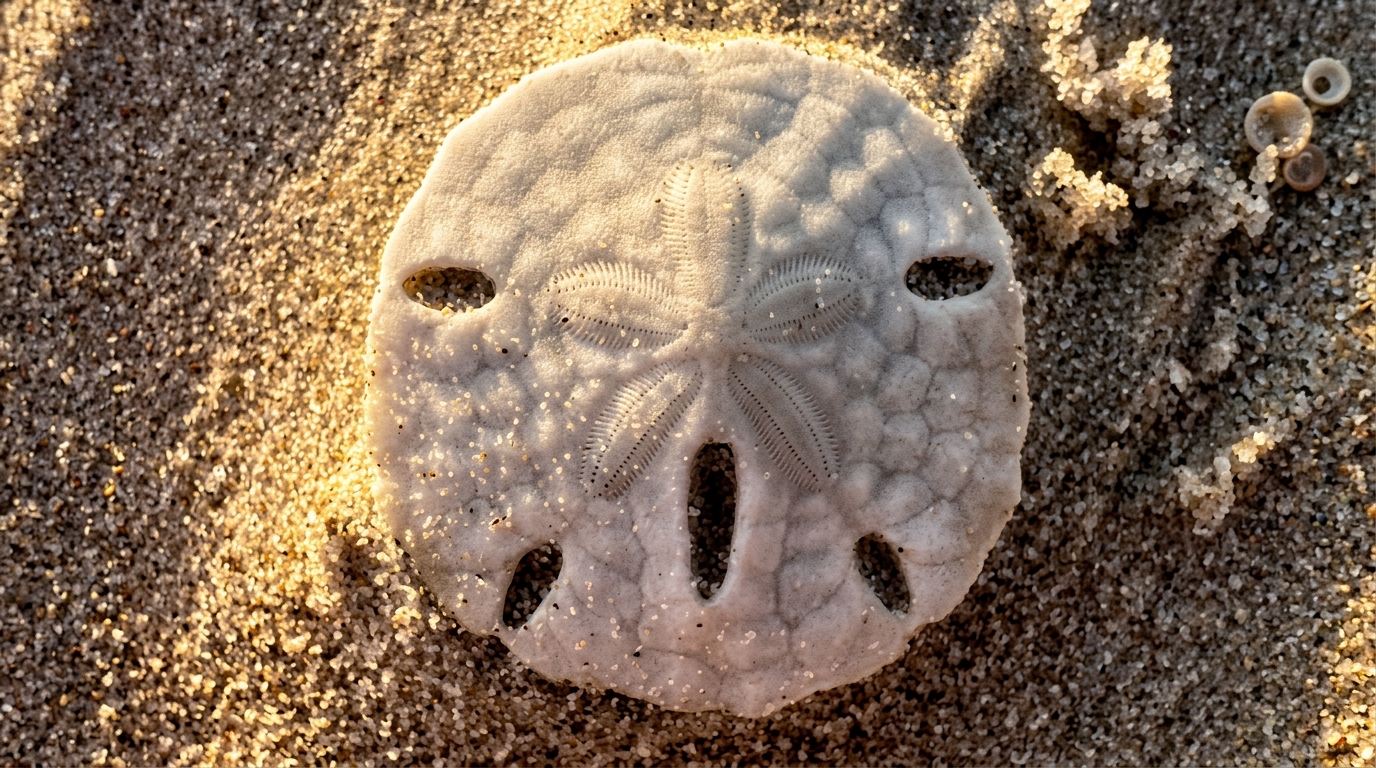
- Look for four small holes in the wet sand: three arranged in a smile and one above, sometimes with a small dome of sand rising between them. That is a buried sand dollar breathing.
- Gently uncover the sand around it with your fingers or a plastic scoop. Never pry.
- In the shallows, shuffle your feet slowly. You will often feel a sand dollar with your toes before you see it.
How to Tell if It Is Alive
This is the critical distinction, and taking a live sand dollar is illegal under South Carolina law.
- A live sand dollar has a velvety, fuzzy surface and appears brownish, greenish, or purple. Held gently against your palm, its tiny spines will move.
- A dead sand dollar is bleached white or light tan, smooth, and chalky. No movement, no fuzz.
If there is any doubt at all, leave it in place. Kiawah’s dead sand dollars are abundant enough that you never need to take a questionable one.
How to Preserve a Dead Sand Dollar
Once you are home:
- Rinse in fresh water several times to remove salt and sand.
- Soak for about 15 minutes in a solution of 70 percent water and 30 percent household bleach.
- Rinse again and let dry completely on a towel.
- If you want the classic bright-white look, paint the dry sand dollar with a mix of half water and half white glue. This also strengthens the fragile skeleton.
The Rules Every Beachcomber Should Know
Kiawah’s beaches are protected under a combination of state law, Town of Kiawah Island ordinances, and Kiawah Island Community Association (KICA) regulations. The rules exist for excellent reasons: loggerhead sea turtles nest here, shorebirds forage in the intertidal zone, and the dune system is fragile. Follow these guidelines and your morning shelling walk stays a joy for the next person too.
What You Can Take Home
- Empty shells (nothing living inside).
- Dead sand dollars (confirmed dead, not live).
- Sea glass and small beach finds for personal, non-commercial use.
What You Cannot Take
- Any live sand dollar: illegal statewide under South Carolina law.
- Any live shell (a shell with a living animal inside).
- Live starfish, sea urchins, or crabs.
- Anything at Botany Bay Heritage Preserve, even empty shells. Everything on that preserve stays.
Beach Conduct Rules on Kiawah
- Stay off the dunes. Use designated boardwalks and walkovers only.
- No glass containers or metal shovels. Plastic scoops are fine.
- No plastic bags, straws, Styrofoam, balloons, or drones on the beach.
- Fill in any holes you dig before leaving, and never dig deeper than the knees of the shortest person in your group. Unfilled holes trap nesting turtles and injure walkers.
- No overnight storage of chairs, tents, or gear on the beach.
- No wading or swimming at Captain Sams Inlet.
Sea Turtle Season (May through October)
Kiawah is one of South Carolina’s most important loggerhead sea turtle nesting sites, and turtle protection shapes many of the beach rules from May through October.
- Give marked nests a wide berth. Do not walk close, do not dig near them.
- No artificial lights on the beach at night. This includes phone flashlights. Hatchlings orient by the natural glow of the horizon and are disoriented by artificial light.
- Report any turtle sightings (adults on the beach or hatchlings) to Kiawah’s sea turtle program at (843) 768-9166.
- For beach concerns or violations, contact the Kiawah Island Beach Patrol at (843) 518-2880.
Plan Your Shelling Morning
The perfect Kiawah shelling walk is not complicated. Pick a morning with an early low tide, keep a mesh bag by the door, and step out just as the horizon begins to warm. Whether you head west toward Captain Sams Inlet or step through the boardwalk closest to your rental, the island will meet you halfway.
If you are still choosing where to stay, browse our collection of Kiawah Island vacation rentals or reach out to our concierge team. We are always happy to help match your itinerary, including your preferred low-tide windows, to the right home on the island.
Frequently Asked Questions
Where is the best shelling on Kiawah Island?
The most productive shelling on Kiawah is at the western end of the island, specifically the walk between Kiawah Beachwalker Park and Captain Sams Inlet. Currents converge at the inlet and deposit a fresh variety of shells with each tide cycle. Central beaches accessed from the interior boardwalks also produce well, especially after storms.
What kinds of shells can you find on Kiawah?
Common finds include lettered olives (South Carolina’s state shell), knobbed and channeled whelks, scallops, coquinas, jingle shells, angel wings, pen shells, banded tulips, and occasional horse conchs. Sand dollars, sea urchin tests, shark teeth, and sea glass also turn up.
What is the best time of day to go shelling on Kiawah?
Early morning at low tide is the highest-odds window. Aim for one hour before through one hour after low tide, and ideally arrive at sunrise so you are ahead of the crowds and the wrack line is still fresh from the overnight tide cycle.
Is it legal to take shells from Kiawah Island?
Yes, you may collect empty shells and clearly dead sand dollars for personal use on Kiawah’s beaches. Taking live shells or live sand dollars is not permitted (live sand dollars are illegal to take under South Carolina state law). Beachwalker Park signage also asks visitors not to take live shells. All collecting is prohibited at nearby Botany Bay Heritage Preserve.
Can you find sand dollars on Kiawah Island?
Yes. Kiawah is one of the more reliable spots in South Carolina for sand dollars, particularly in the early morning at low tide after a stormy night. Look for four small holes in the wet sand (three in a smile, one above) and gently uncover the surrounding sand with your fingers.
What tools should I bring for shelling on Kiawah?
A mesh bag or small bucket for collection, a small plastic scoop or trowel (metal shovels are not allowed on the beach), a tide chart or coastal app, sun protection, and closed-toe water shoes. A headlamp is useful only if you are chasing a pre-dawn negative low tide.
When is the best season for shelling on Kiawah Island?
Shelling is productive year-round on Kiawah, but the highest odds are November through April, when frequent onshore winds and cooler-season storms deliver fresh finds and the beach is less picked over. Summer shelling still works well if you arrive at sunrise.
