


Kiawah Island is one of the most remarkable barrier islands on the East Coast, and the wildlife is a big reason why. Walk a single morning here and you can see white-tailed deer grazing near the dunes, ospreys diving for fish, alligators basking on pond banks, and dolphins working the tideline just offshore. At Kiawah Island Luxury Rentals, we have spent years helping guests explore this place, and the questions we hear most often are about the animals.
This guide is our answer. We will walk you through the species you are most likely to see, the best parks and trails to find them, the times of year that bring the most action, and the small habits that make wildlife watching here safer and more rewarding.
The Wildlife You Will See on Kiawah Island
Most visitors are surprised by how much they spot without even trying. A bobcat crossing a quiet road at dusk, a great blue heron statue-still at a pond edge, an alligator drifting through duckweed; these moments are part of normal life on Kiawah. Below is a quick tour of the wildlife in Kiawah Island that we point our guests toward first.
Mammals
- White-tailed deer: Easily the most visible mammal. We regularly see them grazing on lawns, near beach paths, and along the edges of the maritime forest.
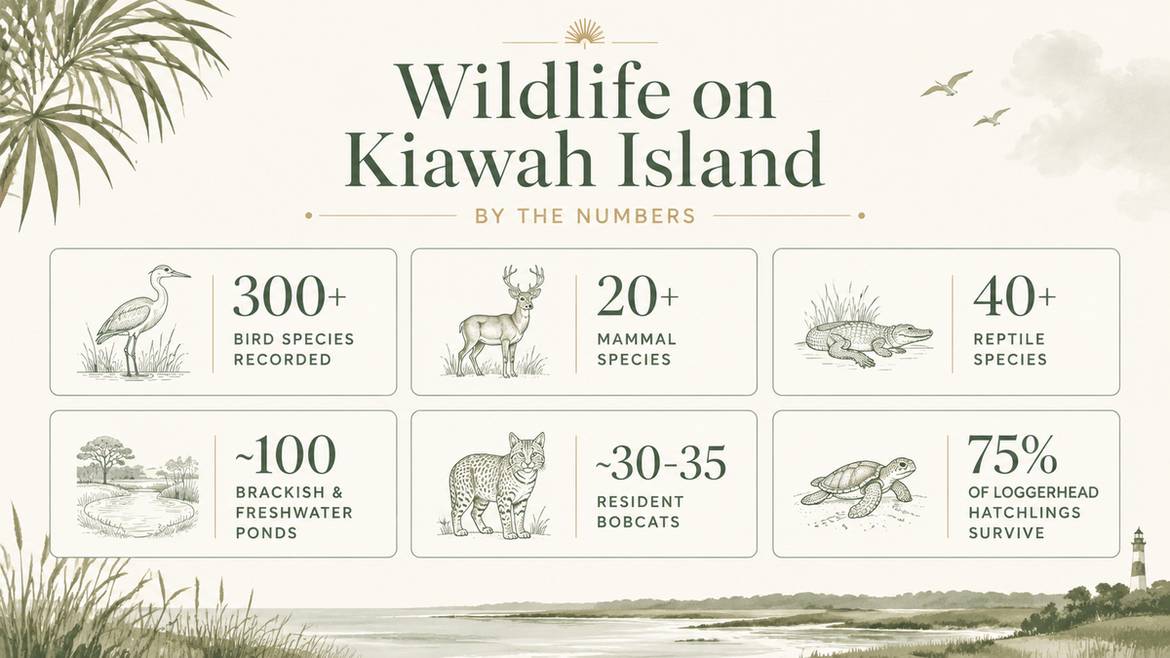
- Bobcats: The island supports a healthy resident population, estimated at around 30 to 35 cats. They are mostly active at dawn and dusk and rarely a threat to people.
- River otters: Found in the brackish ponds and along the Kiawah River. Quick and playful when you do catch them.
- Gray foxes and raccoons: Common forest residents, most often seen at twilight.
Reptiles
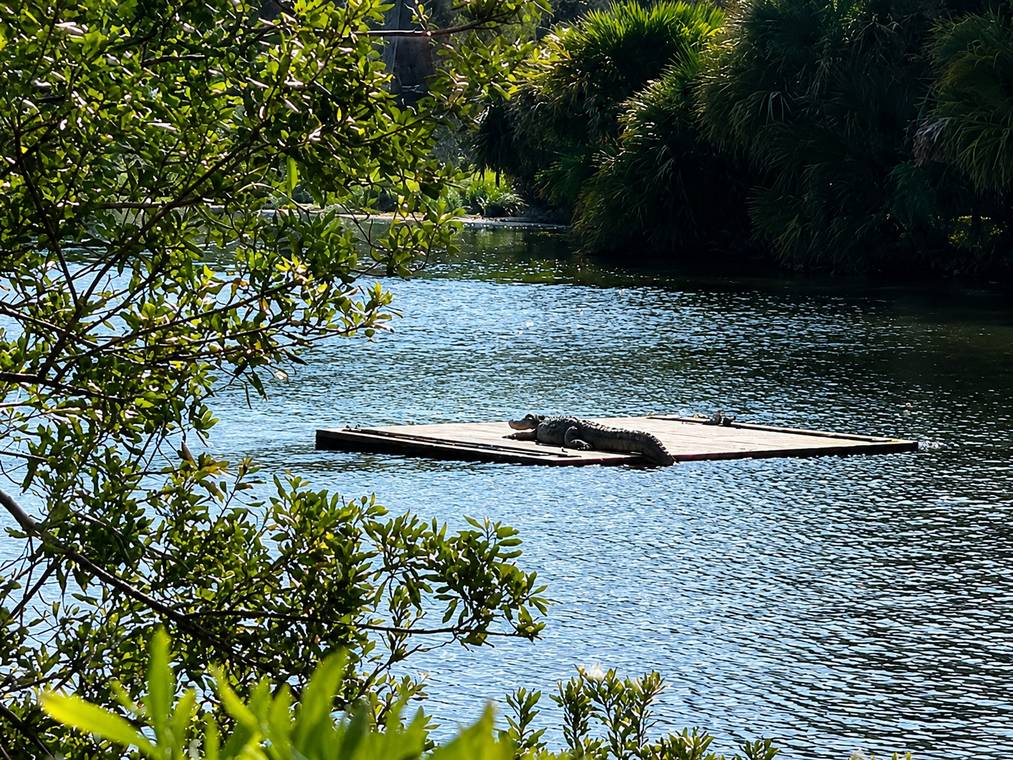
- American alligators: Live in most of the island’s ~100 brackish and freshwater ponds. Best viewed from a safe distance on warm, sunny afternoons when they bask.
- Loggerhead sea turtles: Nest on the beach from May through August, with hatchlings emerging late July through September.
- Diamondback terrapins: A salt marsh specialist, often seen near tidal creeks.
Birds
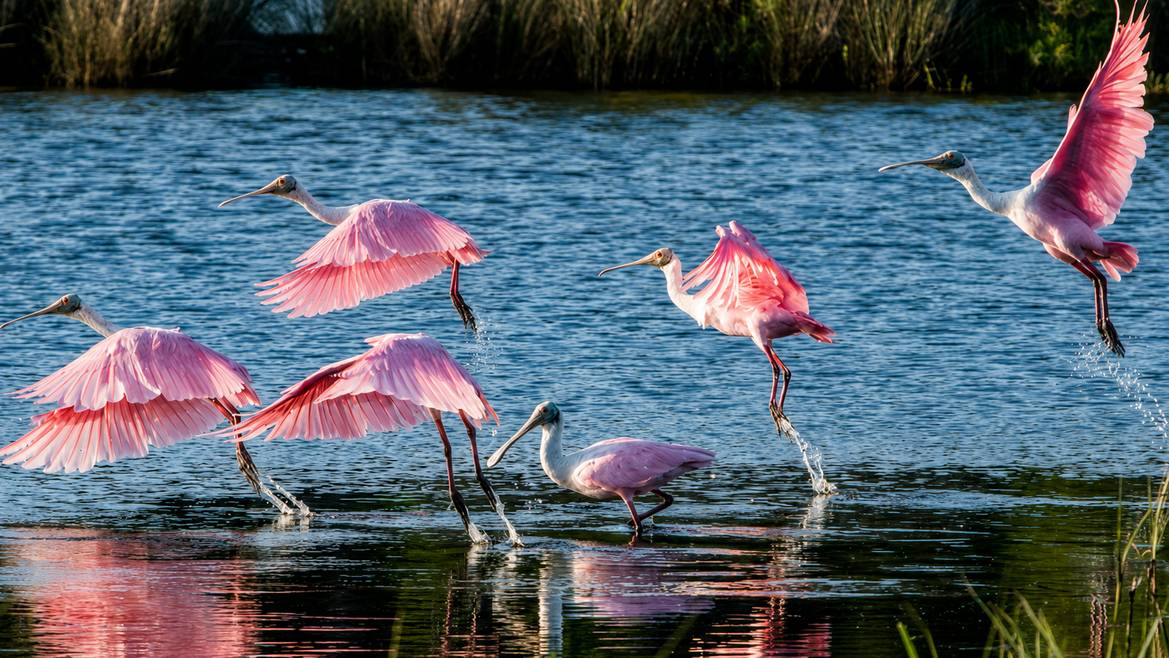
- Roseate spoonbills, herons, egrets, and wood storks working the marsh edges.
- Brown pelicans, oystercatchers, and black skimmers along the beach.
- Bald eagles, ospreys, and great horned owls as the resident raptor cast.
- Painted buntings in spring and summer; one of the most colorful songbirds in North America.
Marine life
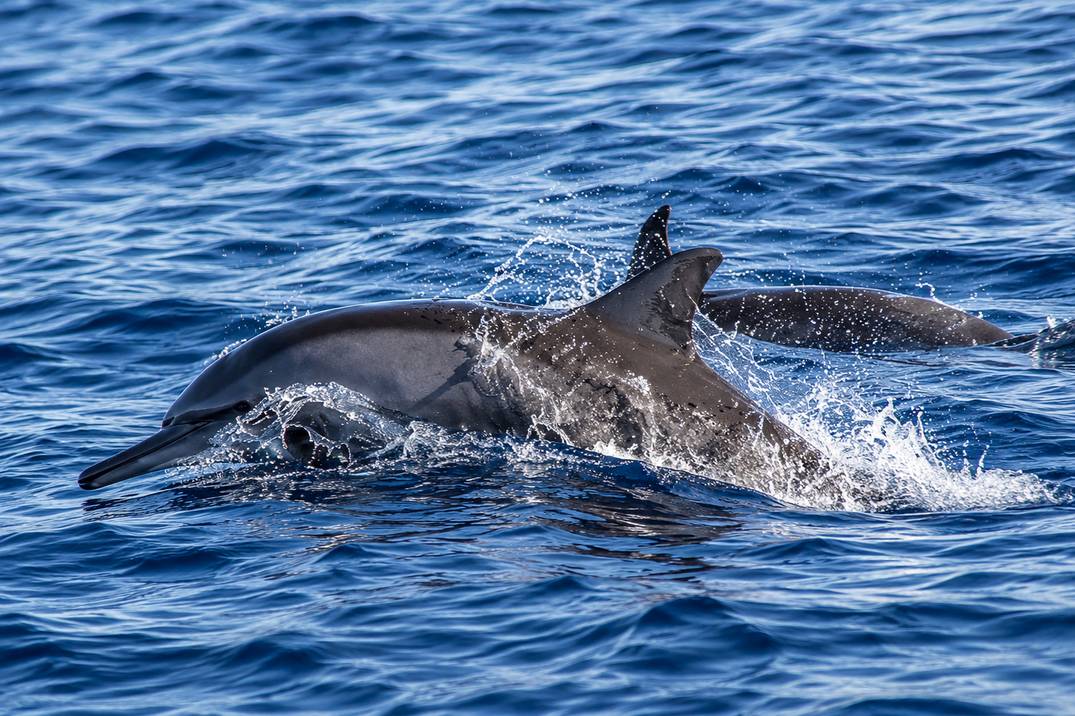
- Bottlenose dolphins are year-round residents. Captain Sam’s Inlet on the west end is famous for strand feeding, a rare cooperative hunting behavior.
- Atlantic stingrays, blue crabs, oysters, and shrimp fill the surrounding tidal waters.
Quick insight: Bobcats here play a critical role in keeping the deer population in check. Local studies suggest the island would look very different without them.
Best Places to See Wildlife in Kiawah Island
The island is essentially one giant wildlife habitat, but a handful of locations consistently deliver the most rewarding sightings. These are the spots we recommend most to our guests, in roughly the order we send people to them.
Heron Park Nature Center
This is where we tell almost every first-time guest to start. The Heron Park Nature Center is the hub of all naturalist programming on the island, with live exhibits of native snakes, turtles, alligator hatchlings, and other local creatures inside, plus access to ponds and forest trails just outside the door. Staff naturalists are genuinely passionate, and they will happily steer you toward whatever is most active that day.
- Rating: 4.6 stars (187 reviews)
- Address: 4000 Sea Forest Dr, Kiawah Island, SC 29455
- Phone: (843) 768-6001
- Hours: Daily, 9 AM to 5 PM
- Good to know: Non-resort guests can visit; just tell the gate where you are headed. Programs include bird walks, gator walks, butterfly tours, and the popular Tidal Trip and Dip.
Find Heron Park Nature Center on Google Maps
Night Heron Park
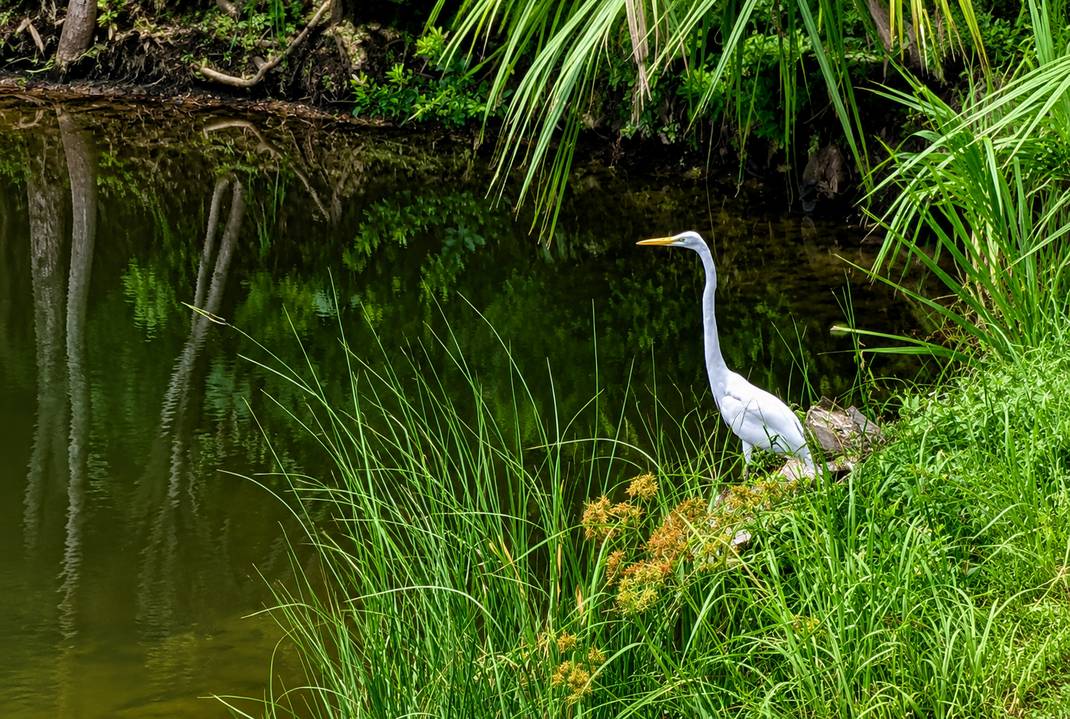
Wrapped around the Nature Center, Night Heron Park is a 21-acre stretch of ponds, fishing docks, sports fields, playgrounds, and nature trails. It is the easiest place on the island to combine a little wildlife watching with a family-friendly afternoon. Wading birds work the pond edges in the morning, butterflies move through the meadows around midday, and deer often drift through at dusk.
- Rating: 4.7 stars (306 reviews)
- Address: Kiawah Island Pkwy, Kiawah Island, SC 29455
- Phone: (843) 768-6001
- Hours: Daily, 10 AM to 6 PM
- Local tip: Bring binoculars and walk the back trail behind the playground; the ponds there often have alligators basking on the bank.
Find Night Heron Park on Google Maps
Kiawah Beachwalker Park
This is the only public beach access on Kiawah and one of the best places to look for shorebirds, dolphins, and turtle tracks. The park sits on the west end of the island, right at Captain Sam’s Inlet, which is the spot to be at low tide. Sandbars emerge as the water pulls back, shorebirds gather in tight feeding flocks, and dolphin pods routinely work the channel just offshore.
- Rating: 4.7 stars (1,619 reviews)
- Address: 8 Beachwalker Dr, Kiawah Island, SC 29455
- Phone: (843) 762-9964
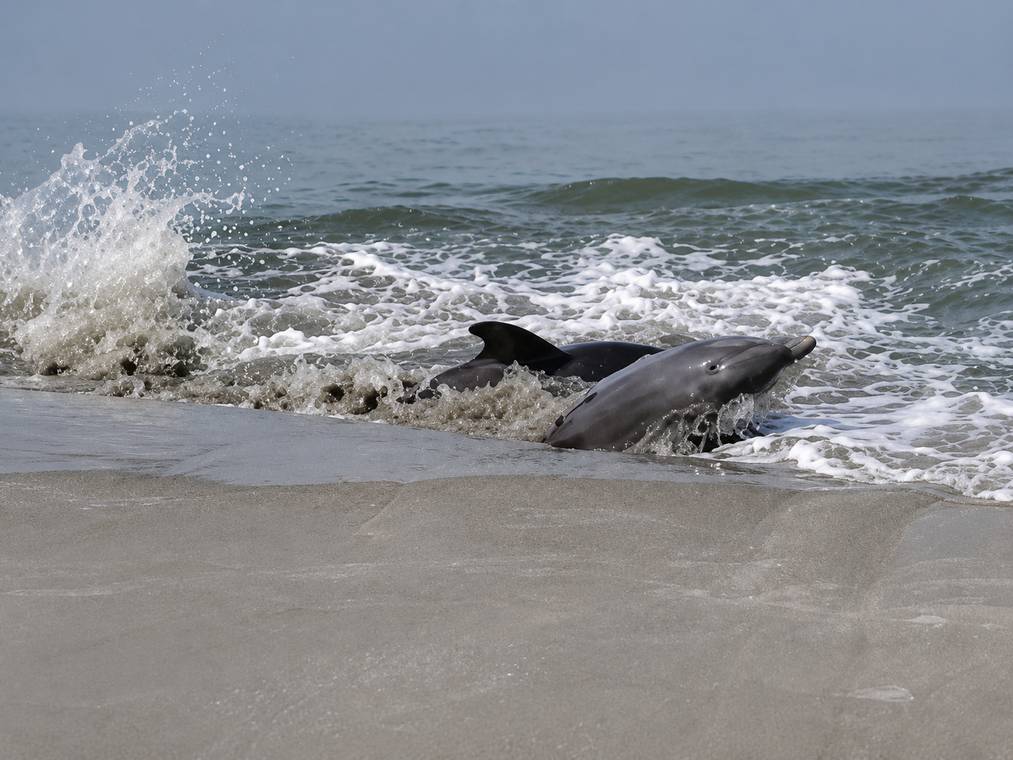
- Good to know: This is also the best chance on the island to witness strand feeding, the cooperative dolphin behavior where pods herd fish onto the mud bank and lunge after them together.
Find Kiawah Beachwalker Park on Google Maps
Mingo Point
Mingo Point sits where the Kiawah River salt marsh meets the maritime forest, and the result is a small piece of land with an outsized cast of birds. Red-winged blackbirds work the marsh grass, wood storks and egrets stalk the pluff mud, and on a quiet morning you can hear the marsh come alive with calls. The resort runs guided bird walks here, and it is hard to think of a better place to be at sunrise.
- Rating: 4.7 stars (164 reviews)
- Address: 876 Kiawah Island Pkwy, Kiawah Island, SC 29455
- Phone: (843) 768-2790
- Local tip: Arrive about an hour after sunrise. The light is soft, the birds are active, and the marsh smells exactly like the Lowcountry should.
Find Mingo Point on Google Maps
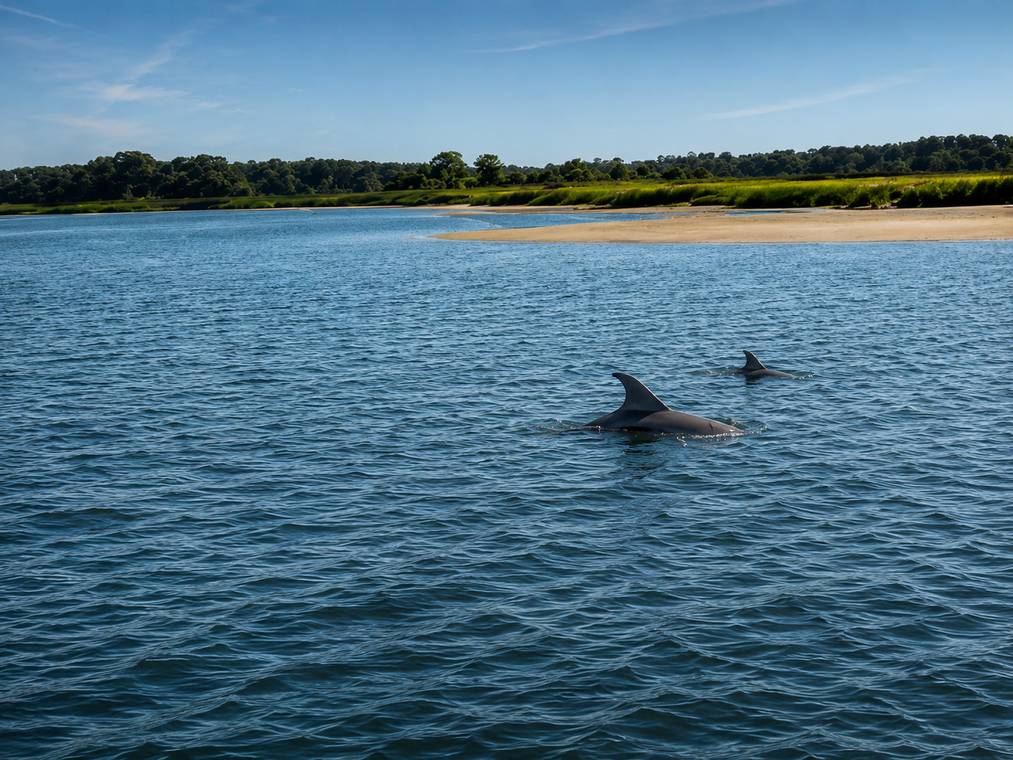
Captain Sam’s Inlet and the Kiawah River
The waterways at the edges of the island deserve their own section. They are where most of Kiawah’s most dramatic wildlife moments happen.
Captain Sam’s Inlet
This narrow channel at the western tip of Kiawah, where the Kiawah River meets the Atlantic, is one of the most famous strand-feeding sites in the country. Bottlenose dolphins here cooperatively chase fish onto the mud bank, briefly beaching themselves to feed before sliding back into the water. It is rare behavior and unforgettable to watch in person. Time it for low tide and walk down from Beachwalker Park.
Kiawah River
The Kiawah River wraps the back side of the island, and the salt marshes along its banks are some of the most productive bird habitat on the East Coast. Herons, wood storks, egrets, ibis, and roseate spoonbills all work these waters; pull off at any of the marsh overlooks on Kiawah Island Parkway and you will usually find something within five minutes.
- Rating: 4.5 stars
- Address: Kiawah River, South Carolina 29455
- Best access: Kayak tours from Heron Park Nature Center, or the overlooks along Kiawah Island Parkway.
Find the Kiawah River on Google Maps
When to Visit for the Best Wildlife in Kiawah Island
Wildlife on Kiawah is a year-round show, but each season has its own headliners.
- Spring (March to May): Migration peaks for songbirds and shorebirds. Painted buntings return, ospreys nest, and the marsh begins to fill out. The weather is mild and the bug pressure is still low.
- Summer (June to August): Loggerhead nesting season. Long days, warm pond water, and the most active alligators. Dolphin sightings are reliable along the beach all summer.
- Fall (September to October): Loggerhead hatchlings emerge, fall migration brings warblers and raptors through, and the air finally cools. This is our personal favorite season for wildlife watching.
- Winter (November to February): Bald eagles, ducks, and overwintering shorebirds take over. Bobcats are easier to see because the underbrush thins out. Quieter beaches and uncrowded trails are a real bonus.
Local tip: Whatever the season, dawn and dusk are when the most animals move. Plan around those windows and the island opens up.
Wildlife Watching Tips From Our Team
A few habits make the difference between a quick glimpse and a real wildlife experience on Kiawah.
- Keep your distance from alligators. They are not aggressive by nature, but they are wild. Stay at least 60 feet back and never feed them.
- Never approach a sea turtle nest or hatchling. Stay back, use red-filtered light at night during turtle season, and report any issues to Heron Park Nature Center.
- Bike instead of drive when you can. Kiawah has more than 30 miles of paved paths, and a slow ride is the best way to surprise a bobcat or watch deer up close.
- Bring binoculars and a long lens. A simple pair of compact binoculars dramatically improves the experience, especially for birds and offshore dolphins.
- Respect closed areas. Many beach sections are roped off seasonally for nesting birds or sea turtles. Those closures exist for good reason.
- Book a guided walk early in your stay. Even one guided walk teaches you what to look for and where, and the rest of the week opens up.
Plan Your Kiawah Island Wildlife Trip With Us
The wildlife in Kiawah Island is one of the great quiet luxuries of this place. There is something about watching dolphins work the tideline at sunrise, or hearing a great horned owl from a back porch at dusk, that makes Kiawah feel different from anywhere else on the coast.
At Kiawah Island Luxury Rentals, we love sharing this side of the island with our guests. If you are planning a trip and want a home that puts you in the middle of all of it, reach out to our team and we will help you find the right fit, walk you through the best wildlife programs to book in advance, and make your time here as easy and memorable as possible.

Frequently Asked Questions
What animals live on Kiawah Island?
Kiawah is home to more than 20 mammal species, 40-plus reptile and amphibian species, and over 300 recorded bird species. The most commonly seen animals are white-tailed deer, bobcats, river otters, gray foxes, raccoons, American alligators, bottlenose dolphins, loggerhead sea turtles, ospreys, herons, egrets, and brown pelicans.
Are there alligators in the Kiawah River and ponds?
Yes. American alligators live in most of the island’s roughly 100 brackish and freshwater ponds, and they occasionally use tidal creeks off the Kiawah River. They are generally calm and avoid people. Stay at least 60 feet back, never feed them, and keep small children and pets close near any pond.
Are there cougars or large predators on Kiawah Island?
There are no cougars on Kiawah Island. The largest predator on the island is the bobcat, a medium-sized wild cat that weighs roughly 15 to 25 pounds. They are shy, mostly active at dawn and dusk, and rarely a threat to humans.
When can you see sea turtles on Kiawah Island?
Loggerhead sea turtles nest on Kiawah beaches from May through August, with most hatchlings emerging from late July through September. Thanks to strong local conservation work, about 75% of hatchlings successfully reach the ocean. Always observe from a distance and follow lighting rules during nesting season.
Where is the best place to see dolphins on Kiawah Island?
Captain Sam’s Inlet on the west end of the island is the most famous spot, especially around low tide when bottlenose dolphins sometimes strand-feed by chasing fish onto the mud bank. Dolphins are also common offshore along the entire beach, especially in the morning.
Is wildlife watching on Kiawah safe for kids?
Yes, with reasonable supervision. Heron Park Nature Center is built around family-friendly programs with naturalists who explain how to behave around wildlife. Keep children at a respectful distance from alligators and any nesting areas, and the island is a wonderful place to introduce kids to wildlife.
